
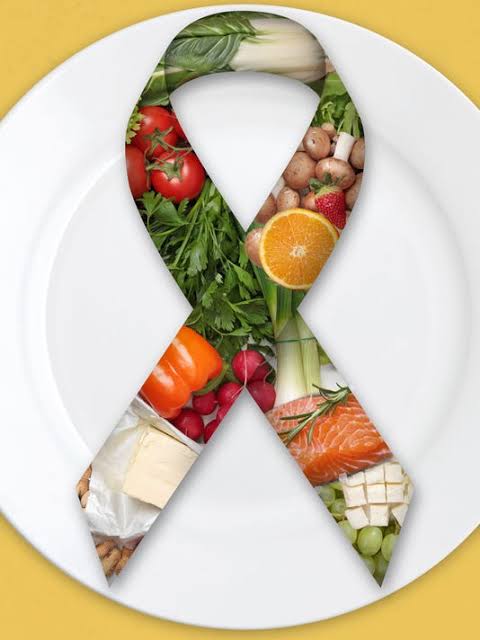
 A cancer diagnosis can quickly turn food into a rabbit hole of questions. Is sugar feeding my cancer? Should I stop eating meat? Should I go vegan? Keto? Start fasting? Take supplements? Eat only organic food?
Add treatment side effects that may last well past the end of actual treatment, changes in appetite and weight, and plenty of well-meaning advice from friends, family, social media, and the internet, and it’s easy to understand why nutrition can become another source of stress during the journey of survivorship.
The 2026 cancer awareness theme ‘United by Unique’ highlights the fact that every person’s experience with cancer is different, and this goes for nutrition needs as well. There are evidence-based principles that can guide healthy eating during and after cancer, but there isn’t one “cancer diet” that is right for every person, or right during vs. after treatment. Instead, I’d like to introduce the idea of a personalized Cancer Nourishment Diet, one that feeds and nourished body and soul of each individual experiencing cancer. In order to build this nourished meal plan, we need to address some of the primary food directives often seen in the media around eating for cancer prevention and survivorship.
Plant-Based Doesn’t Necessarily Mean Plant-Only
“Eat a plant-based diet” is common advice heard in the cancer world, but the phrase is frequently misunderstood. Repeat after me: Plant-based does not necessarily mean plants only. The American Cancer Society recommends a dietary pattern that includes a variety of vegetables, fruits, whole grains, and legumes and favors healthy protein sources such as fish, poultry, and beans while minimizing red and processed meats, sugar-sweetened beverages, highly processed foods, and refined grains. The World Cancer Research Fund similarly recommends making whole grains, vegetables, fruits, beans, and other pulses a primary part of the daily diet. The general recommendation is 5 cups minimum of plant foods every day. This intake will meet the guidelines for essential micronutrients as well as 25+g daily fiber needs.
Notice what those recommendations do not say ‘everyone diagnosed with cancer must eliminate all animal foods.’ In fact, there isn’t any evidence that a vegan diet is superior to a well-balanced diet containing both plant AND animal foods for people undergoing cancer treatment. A thoughtfully planned vegan or vegetarian diet can absolutely be nutritionally adequate, but so can an omnivorous diet rich in plants.
The high in plants part of the dietary guidelines is where we want to focus. Plant provide fiber and phytonutrients that are key to immune health. So rather than starting with, “What do I need to eliminate?” consider asking, “What can I add to my meals?” For instance, if you’re making a stew, can you add a can of beans as well? Can berries, flaxseed and walnuts be added to that oatmeal bowl? How about spinach or sprouts on that turkey sandwich? Or a side of broccoli topped with sesame seeds alongside that salmon and rice dish? No matter what stage of cancer survival you are in, I encourage you to look for ways to add plants for nourishment, rather than eliminating food items for restriction.
Don’t Let “Healthy Eating” Crowd Protein Off the Plate
Imagine a beautiful plate filled with colorful vegetables, whole grains, and fruit. It certainly looks healthy, but it might be missing something important to your health and recovery: adequate protein. Cancer and its treatment can contribute to loss of skeletal muscle and lean mass. Protein provides the amino acids needed to maintain and rebuild tissue, making adequate protein especially important when someone is recovering from treatment, losing weight, rebuilding strength, or trying to maintain functional independence.
Those undergoing intense cancer treatment can actually need up to 1.5x as much protein as they would otherwise need simply based on their body’s incredibly high demands for recovery. This can be hard to do for anyone, but especially those who might be experiencing loss of appetite or alterations in their taste preferences. It these side effects are also partnered with an inaccurate idea of needing to eat ‘clean’ as meaning only plants, many cancer survivors end up missing their protein targets. This can result in excessive weakness, fatigue and slower recovery overall.
Protein can come from a wide variety of sources. An omnivorous pattern might include fish, poultry, eggs, Greek yogurt, cottage cheese, beans, and lentils. A vegetarian pattern might emphasize dairy, eggs, soy foods, beans, peas, lentils, nuts, and seeds. Someone following a vegan diet can meet protein needs through foods such as tofu, tempeh, edamame, legumes, seitan, nuts, seeds, and appropriate fortified foods. The key to adequate protein is having a protein source about the size of one of your palms at every meal. Some may need more or less but that is a great baseline alongside those 5 cups of daily plant foods.
Sometimes Nourishment Means Losing Weight. Sometimes It Means Gaining It.
We have been conditioned to see weight loss as almost universally positive, but weight loss during cancer treatment often challenges that assumption. While it’s absolutely true that excess weight and visceral fat are risk factors for cancer recurrence, excessive weight loss coming from primarily lean mass is just as unhealthy and can create risk of malnourishment, sarcopenia and a sustained weakened immune system.
Whether the goal is weight gain or weight loss and whether it is during or after cancer, we want to prioritize a healthy body composition and function rather than focusing on the number on the scale. This means preserving and rebuilding muscle while providing enough energy and nutrients for recovery. I encourage survivors to find a body composition scale rather than a standard scale showing only weight, so that they can track trends in skeletal muscle mass, lean mass, percent body fat and visceral fat. This helps catch unhealthy trends early for easier interventions. What’s really cool about body composition scales like an Inbody is that they also show bodily inflammation, which can be a signal to get checked for lymphedema if too high. Since all cancer patients should be assessed for lymphedema risk for at least 6 years after completion of treatment, consider this a bonus benefit of monitoring body composition rather than weight alone.
The “Right” Diet Can Be Wrong for This Chapter
Perhaps one of the most important things to understand about cancer nutrition is that the goalposts may need to move. Imagine someone undergoing treatment who has nausea, mouth sores, taste changes, early fullness, and very little appetite. A raw kale salad may fit beautifully into a cancer-prevention dietary pattern, but if that person can barely finish six bites of food and it burns their mouth, it’s not nourishing for them individually. A smoothie made with yogurt or soy milk, fruit, flaxseed, and nut butter may provide far more useful nourishment at that moment in time.
Or consider a fiber-rich dietary pattern containing whole grains, legumes, fruits, and vegetables. This is the recommendation for cancer prevention and survivorship, but certain surgeries or treatments may cause gastrointestinal symptoms that make fiber hard to digest. In this case, a temporary reduction in fiber or modified food textures may be the most realistic and appropriate way to ensure nourishment.
Yet another example may be a new survivor reconditioning their body after treatment and may need high calories and protein to restore strength and muscle. Years later, this same person’s focus may shift toward higher fiber intake, more plant diversity, healthy body composition, and long-term cardiometabolic health.
None of these approaches necessarily contradict one another. Rather, they all nourish the individual in various points in their journey. It’s ok (and expected) for nutrition plans to change in response to the need.
Trading Food Rules for a Nourishment Diet
Perhaps we need fewer rigid food rules and a better guide for finding nourishment instead. And in fact, this is true for everyone reading this article, independent of their personal experience with cancer. When evaluating whether a dietary strategy meets your nourishment needs, consider four key questions:
- Is it adequately nourishing me?
- Am I getting enough protein and energy to maintain or rebuild muscle?
- Does it include a variety of plant foods that I can actually tolerate and enjoy?
- Does it support what my body needs in this particular stage of life?
Your answers should help guide you in the right direction of whether you need more plants, more proteins, higher or lower fiber foods, higher or lower calorie foods, etc. If any answer is unclear, this is a perfect opportunity for a registered dietitian to become a member of your care team.
Cancer journeys are unique, so our nutrition journeys should be expected to be unique, too. There is no perfect cancer diet (or diabetes diet, or weight loss diet, or bone building diet…) While no cancer survivor will share an exact meal plan, where we can all find common ground is in finding our way toward personal nourishment.
