
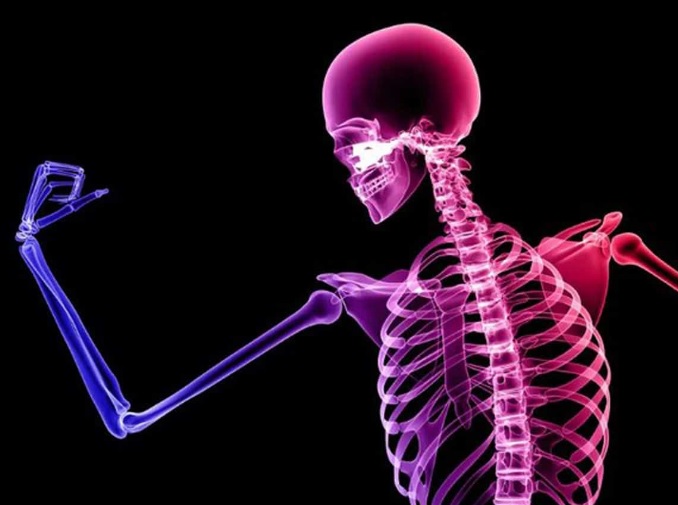
 May is National Osteoporosis Month and is a good opportunity to highlight the interconnectedness of bone health to overall health. Bones tend to be looked at through a narrow, isolated lens, with marketing typically focused calcium supplements. While these are inarguably critical for bone health, it is rare to see information on the relationship of bones to balance, or to pelvic strength, or to our immune function. In fact, it’s rare to hear of bones as being living tissue or organ systems, rather than hard structures that simply hold us up.
This limited view creates a gap both in public understanding as well as in functional health outcomes. The idea of bone health should not be just the density of the bone, but the health of the bone as a part of our integrated body systems. Weak bones create risk everywhere else and can be a barrier to strength, stability, resilience and independence as we age.
Bone as a Living, Integrated System
We often think of bones as static structures that hold the body upright. In reality, bone is a living, metabolically active tissue that plays multiple roles across the body. Beyond providing physical structure, bone contributes to:
- Movement and mechanical strength (in partnership with muscle)
- Vitamin and mineral regulation (including calcium and vitamin D metabolism)
- Hormonal signaling that influences metabolism (osteocalcin stimulates insulin sensitivity)
- Immune system support (via bone marrow immune cells and anti-inflammatory cytokines)
Bones are also directly related to muscular strength. Bones adapt to the forces placed on them, meaning that without adequate mechanical load, bone density declines. This creates a dual risk of increased likelihood of falling due to reduced strength, and greater susceptibility to fracture in falls due to weaker bones. CDC reports that one in four adults over age 65 falls each year, making falls a leading cause of injury and hospitalization in senior populations.
Like many systems in the body, bone health gradually declines with age if there is no action, often without noticeable symptoms until later in life. This is where lifestyle prevention becomes critical.
Lifestyle Strategies for Better Bones
When we connect the dots, it’s clear that bone health influences far more than skeletal structure. It impacts strength, balance, stability, immune resilience and recovery capacity. Despite common messaging, there is far more we can do about it than simply take calcium supplements! Here are some of the most effective, evidence-based lifestyle strategies:
Focus on Weight Bearing & Resistance Training
Bone responds to force. Research shows that higher mechanical load stimulates greater bone remodeling and strengthening, making resistance training one of the most effective tools for improving bone density.
- Heavier, progressive resistance training is more effective than light weights with high repetitions.
- Proper guidance by professionals ensures safety.
- Strength training also improves muscle mass, metabolic health and cardiovascular capacity.
- Loading the skeletal system also stimulates bone marrow, which supports immune function and is an important factor in recovery from illness, injury, surgery or falls.
Focus on Pelvic Strength
Pelvic health is often overlooked yet it is critical in stability and movement. The pelvis serves as the body’s structural hub, connecting upper and lower extremities. Strength in this region supports postural alignment, balance, coordination, and efficient force transfer. Weakness in the pelvic floors can contribute to instability and increased fall risk. Improving this strength not only enhances stability overall, but supports bone health in the pelvis itself.
Focus on Balance & Posture Training
Balance is a trainable skill and a critical component of fall prevention. Targeted balance and posture training improves neuromuscular control, reaction time and confidence in movement. These adaptations reduce fall risk and help break the cycle of fear-based inactivity that often accelerates decline.
Food as Foundational for Bone Health
Nutrition plays a foundational role in bone health and overall physiology. A Mediterranean style dietary pattern has been associated with improved bone health outcomes. Key nutrients to emphasize include: calcium, magnesium, vitamin D3, vitamin K1&2, potassium and protein. Also important to note is that bone density is largely established by early adulthood, making these habits relevant not only for seniors, but across lifespan.
(De)Focus on Risky Substances
Certain lifestyle factors can negatively impact bone health and should be minimized: smoking, excess alcohol consumption, and highly sedentary behavior. Addressing these behaviors supports not only bone integrity, but overall health and longevity.
Don’t Forget to Screen
Bone density testing, such as DEXA scans, provides valuable insight into bone health before fractures occur. The National Osteoporosis Foundation estimates that approximately 10 million Americans have osteoporosis, with another 44 million at risk due to low bone density, highlighting the importance of early detection. Talk to your doctor about when screening should start for you.
Here are some ways we can help you work toward stronger bones and better balance here at the Wellness Center:
- Body Composition Testing to assess strength and muscle mass
- Medical Fitness Programs:
- Osteoporosis Group (requires physical therapy prior to enrollment)
- Balance & Mobility (land and pool options)
- Pelvic Strength Pilates
- Personal Training for Balance, Strengthening or Pilates
- Vibration Plate available during Open Gym
- Comprehensive Nutrient Analysis with Registered Dietitian
