
 When we ask people what they think of when we say healthy aging, we hear a variety of ideas like strength, mobility, heart health and independence. What’s interesting is that research shows when adults are asked what they fear most as they get older, the answer is consistently the same: cognitive decline.
Repeated surveys of adults age 65 and older show that losing memory, decision-making ability, or independence due to cognitive decline ranks higher than concerns about cancer, heart disease, or mobility loss. At the same time, the prevalence of neurodegenerative conditions continues to rise as our population ages and as metabolic diseases become more prevalent. More than 6 million Americans are currently living with Alzheimer’s disease, and that number is projected to nearly double by 2050 if trends continue. Alzheimer’s disease is not the only cognitive condition on the rise, however. Parkinson’s disease, variations of dementia, and even cognitive decline as a symptom of medical treatments like chemotherapy are also steadily increasing.
Whether you’re a patient a healthcare worker, an employer, or a family member, brain health is no longer a niche topic for specific groups, it is a central pillar of long-term health, independence, and healthcare cost containment. What’s cool is how responsive the brain is to it’s environment. Like anything else with physical health, there are plenty of opportunities to improve cognition through lifestyle strategies.
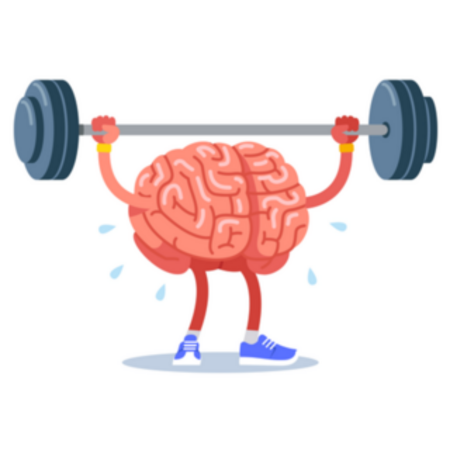
The Brain Trains Like a Muscle
The brain is one of the most metabolically active organs in the body. Although it represents only about 2% of body weight, it uses roughly 20% of the body’s energy supply. What if we reframed how we think about the brain and consider it as a muscle to be trained just like our biceps or our glutes? Just like muscle tissue, the brain depends on:
- Adequate blood flow and oxygen
- Consistent nutrient delivery
- Regular challenge and stimulation
- Time and conditions for recovery and repair
- Minimal levels of chronic inflammation
When these needs are met, the brain becomes more efficient, adaptable, and resilient to injury. When these needs are neglected, overall performance declines. If we think of the brain as simply another muscle group that requires consistent training, we can work it into our weekly fitness routine to not only build strength and endurance, but also enhanced memory, focus, energy and executive function.
Brain Training Focus #1: Improve Blood Flow to the Brain
Vascular health absolutely must be protected and optimized for cognitive function. Healthy blood flow delivers oxygen, glucose, and nutrients to brain tissue and helps remove metabolic waste. Research consistently shows that cardiovascular fitness is directly associated with better memory, processing speed, executive function, and reduced risk of cognitive decline. Without adequate blood flow, sticky plaques more readily form and inflammatory substance are not adequately flushed. There’s no special blood flow exercise that is brain specific so don’t overthink this. Simply put, what’s good for the heart is good for the brain. Better blood flow reduces risk of stroke, lowers likelihood of hospitalizations and supports executive function, independent of your age.
Aerobic exercises are like “brain cardio.” Examples include:
- Walking & jogging
- Cycling
- Swimming
- Elliptical, Nu-Step or other low-impact cardio
Consistency matters for blood flow. For those new to cardio exercises, start with 10 minutes of steady, conversational-pace movement most days of the week. The official guidelines say 150 minutes of cardio activity each week but start where you can and work up. Gradually build to 20–30 minutes, adding variety in terrain or pace.
Brain Training Focus #2: Challenge the Brain with Cognitive Stimulation & Dual Tasking
Just as muscles need resistance to grow, the brain needs meaningful challenge continue creating synaptic connections and enhance cognitive reserve. Challenging games like crossword puzzles, as well as variation in routine such as walking new paths all work towrd this cognitive challenge goal. However, the real impact comes when fitness meets cognitive challenge. When we think, do and exercise all at the same time, we are elevating heart rate and releasing neuroprotective hormones from muscle contraction, all while also creating synaptic connections and flushing blood to the brain. This is known as dual-task training, and it has been shown to improve attention, reaction time, working memory, and executive function while also reducing fall risk and risk of rapid progression in populations with cognitive conditions.
Examples of dual tasking include:
- Balancing while responding to visual or verbal cues
- Walking patterns combined with memory or decision-making tasks
- Interactive movement games that require reaction, coordination, and focus
- Catching a ball in non-dominant hand while answering math questions and stepping in place
These approaches form the foundation of many most brain gym programs, such as the one here at St. Jude Wellness Center, and are effective not only for older adults, but for those with ‘foggy mind’ symptoms and even young athletes. Sports can be a great way to start dual tasking exercises, but for those newer to fitness or with health history risks, finding a gym or trainer with a brain health program is a safe and effective place to start.
Brain Training Focus #3: Minimize Brain Inflammation Through Nutrition and Stress Management
Chronic inflammation can significantly prevent adequate muscle growth, and similarly is a key contributor to cognitive decline, mood disorders, and neurodegeneration in the brain. An inflamed brain simply cannot function at full capacity even if dual tasking exercises are being done consistently. We have review sources of inflammation in past blogs and in a variety of webinars on our St. Jude Wellness Center website, but to summarize, two key drivers of chronic inflammation are diet and stress.
An anti-inflammatory nutrition plan should focus on maximizing:
- Whole, minimally processed foods
- Fruits and vegetables rich in phytonutrients
- Omega-3 fats
- Adequate protein and fiber
An emphasis on the above nutrients while minimizing ultra-processed foods will ensure that the least amount of inflammatory food triggers are entering the body, which supports immune resilience, neurotransmitter production, cellular repair, and metabolic stability.
In addition to nutrient intake, chronic stress creates an inflammatory state by elevating cortisol, which impairs memory formation, learning, and emotional regulation. Even small stress-management practices can make a measurable difference.
Some simple examples of stress management exercises include:
- Brief breathing exercises
- Consistent sleep routines
- Short recovery pauses throughout the day
Bonus Brain Training Focus: Social Connection
Sorry but we had to slip a bonus one in here! A powerful and often under-looked brain-health tool is social connection. Loneliness has been shown to increase dementia risk by as much as 50%. Meaningful interaction challenges the brain through conversation, empathy, memory recall, and emotional regulation. And guess what? Exercise groups such as you might find in a brain gym are a great place to connect socially! Talk about dual tasking!
Finding a Brain Health Professional
Just as unsupervised strength training can lead to injury, poorly matched brain or movement challenges can lead to frustration, fear, disengagement or injury as well, especially in older adults. Trained professionals help by matching challenge level to ability, progressing the client safely and effectively, reducing fall and injury risk, and helping to improve consistency and confidence. We highly recommend working with a Certified Brain Health Trainer (you can ask for this credential) or a trainer who has related certifications such as Medical Fitness Specialist or FallProof Certified. Some gyms will have in-house training programs for their trainers so they may not have a certification but they may have been trained by experts such as physical therapists and exercise physiologists to work with cognitive populations. A Medical Fitness Certification for a facility is a great place to start. As a shameless plug, St. Jude Wellness Center is not only Medical Fitness Certified, but we also boast a specialty brain gym with SmartFit and BlazePod technology and our trainers have Brain Health Trainer or related certs and work closely with the neuro physical therapy team.
No matter where you exercise, remember that the brain responds to training just like a muscle. With the right blood flow, the right challenge, and the right recovery environment, it becomes stronger, more efficient, and more resilient.
